

Enhanced capabilities to support your ACH compliance efforts
After a decade of tracking U.S. payment habits, the Federal Reserve’s latest research from the 2026 Diary of Consumer Payment Choice reveals notable consistency in consumer payment behavior, even as technology has rapidly evolved.
Payment patterns hold steady
Consumers made an average of 47 payments per month in 2025, similar to 2024 levels. The total number of payments made with cards — both debit and credit — remained consistent with the previous year. All other payment instruments and their respective shares also held steady.
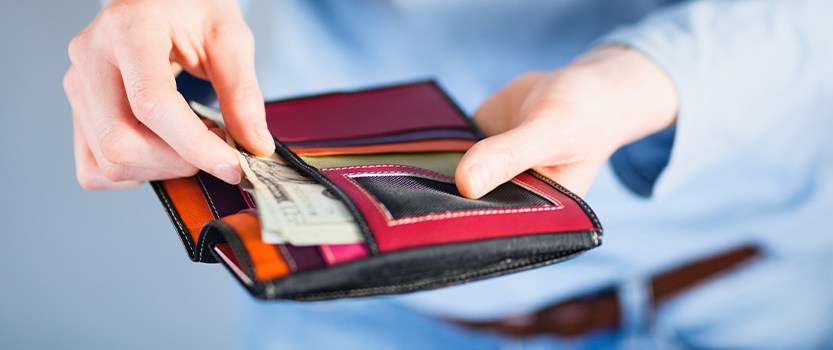
- Cash accounted for an average of six payments per month, representing 14% of total payments.
- Four out of five consumers had used cash in the previous 30 days.
- Ninety percent of consumers plan to continue using cash in the future.
- Cash was the third-most-preferred payment instrument at 16%, behind debit and credit cards.
Cash holdings increase
While cash payment frequency remained stable, consumers are holding more:
- Just over three-quarters of respondents (76%) carry cash on their person, with average holdings of $69 — consistent with 2024.
- Nearly half (45%) store cash elsewhere for savings or emergency purposes, with average store-of-value holdings of $364, up from $306 in 2024.
Demographics drive cash use
Continuing a trend seen in recent years, cash is a more important payment method for certain demographic groups:
- Age: Consumers 55 and older made an average of 10 monthly cash payments, whereas consumers 18 to 24 only used cash for two payments per month.
- Location: Rural residents made an average of nine cash payments per month, compared to six cash payments by urban and suburban residents.
- Income: Consumers in households earning less than $25,000 made an average of seven monthly cash payments, compared to five by households earning more than $150,000.

A decade of evolution
Now in its 10th year, the Diary of Consumer Payment Choice has documented how consumer payment habits evolve gradually, with demographic characteristics becoming more associated with payment use over time.
- Credit cards gain ground: While debit cards consistently have been the most preferred payment option for in-person purchases, the share of consumers who prefer credit cards has increased considerably, reaching 38% in 2025 and now closely trailing debit cards at 40%.
- Cash preference stabilizes: The share of consumers who reported cash as their most preferred in-person payment method has declined over time, falling to 16%. However, in-person payment preferences appear to have stabilized in recent years, with little year-over-year change in consumers’ preferences for credit cards, debit cards and cash.
Supporting a resilient payment system
The findings underscore the continued importance of maintaining a robust cash infrastructure to support the diverse payment needs of Americans.
“The consistency of cash and card use over the last three years suggests cash remains a stable payment method amid the rise in digital options,” said Kathleen Young, executive vice president and chief of FedCash® Services. “Cash continues to remain a primary payment method for some, while serving as a key backup payment option and store of value for many Americans. This points to the importance of consumer payment choice.”
The Diary of Consumer Payment Choice is a collaboration of the Federal Reserve Banks of Atlanta and Boston and Federal Reserve Financial Services’ FedCash Services.
Read the complete Diary of Consumer Payment Choice (PDF).